Category: <span>Baking</span>
Preparation and storage guided by product labels and authoritative food-safety sources.
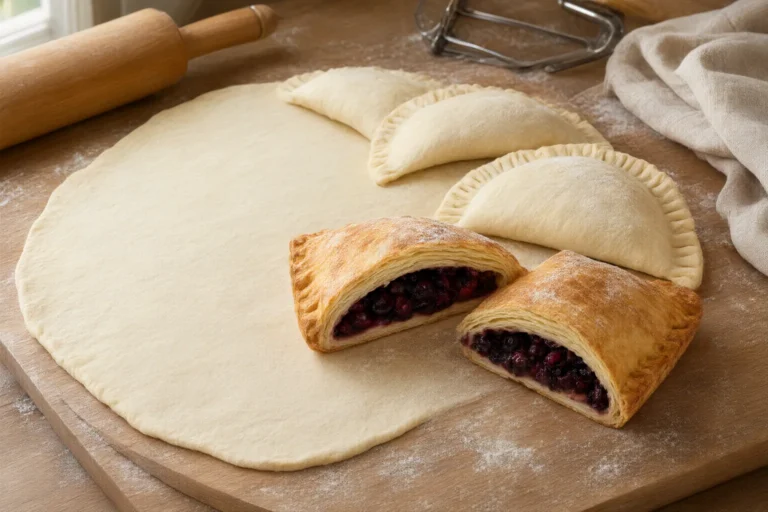
How Pastry Thickness Affects a Pocket Pie’s Structure and Bake
Uniform pastry thickness helps pocket-pie wrappers bake more consistently. Use controlled pressure, avoid stretching, and consider resting, mixing, temperature, and oven conditions when troubleshooting.
Read more ↗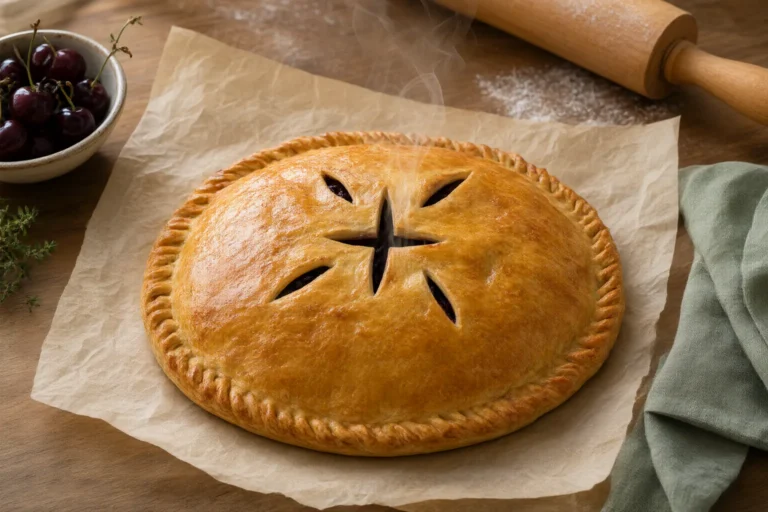
How to Shape and Position Steam Vents on Fruit Pocket Pies
Steam vents should be clear openings cut completely through the top pastry of a sealed fruit pocket pie. Several small cuts distributed across the top can provide escape…
Read more ↗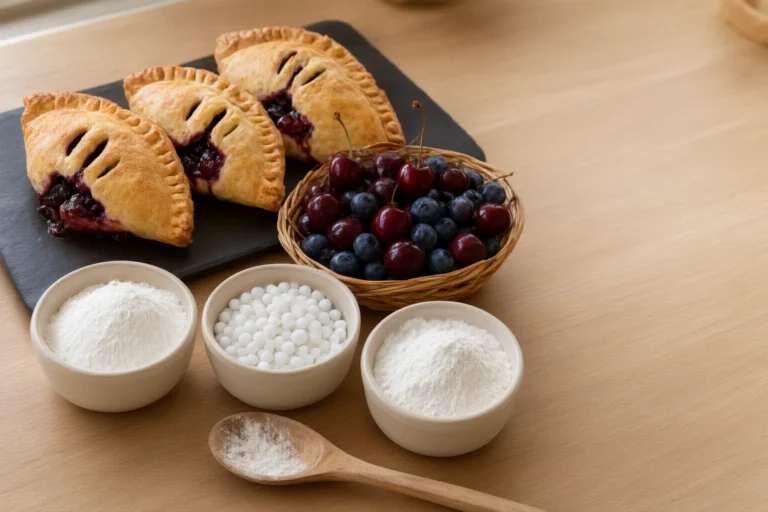
How to Choose Starch Thickeners for Fruit Pocket Pies
Choose a starch thickener by matching its heat requirements, texture, clarity, acidity tolerance, and freezing performance to the fruit and baking plan.
Read more ↗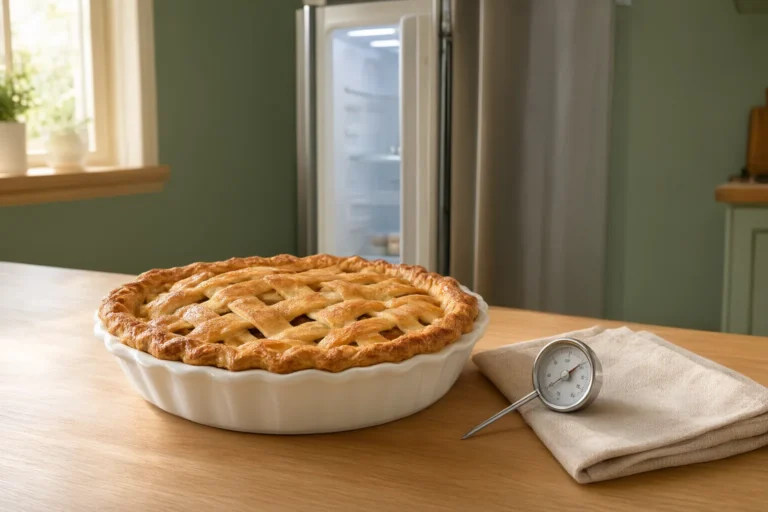
How to Evaluate Refrigerated or Frozen Pies After a Power Outage
Evaluate pies after a household power outage by checking the product label, outage timeline, appliance-door history, and thermometer readings against food-safety guidance.
Read more ↗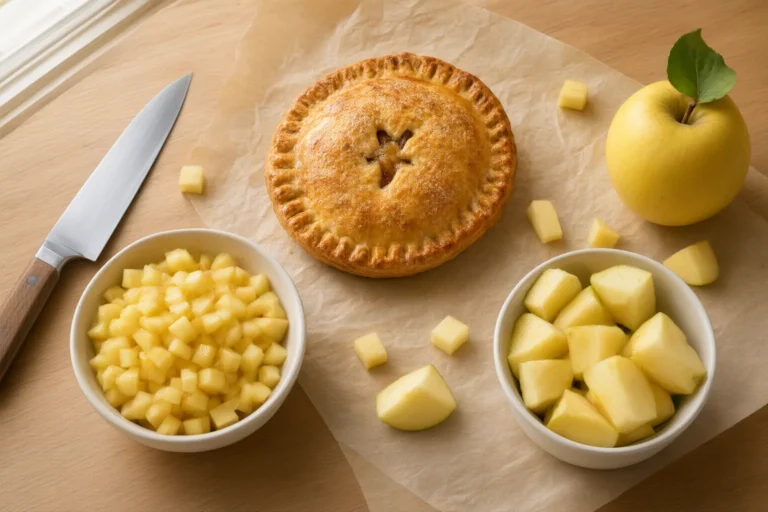
How Fruit Cut Size Can Shape Pocket Pie Filling Texture
Smaller pieces may promote more even distribution, while larger pieces may create a more distinct bite. For pocket pie fillings, consistent cutting and controlled batch comparisons offer a…
Read more ↗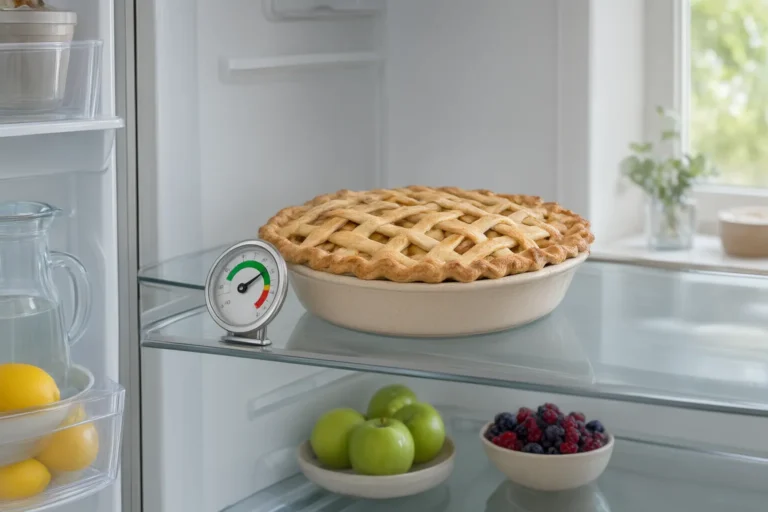
How to Check Refrigerator and Freezer Temperatures Before Storing Homemade Pies
Before storing a homemade pie, use separate appliance thermometers to verify that the refrigerator is at 40 °F or below and the freezer is at 0 °F. Leave…
Read more ↗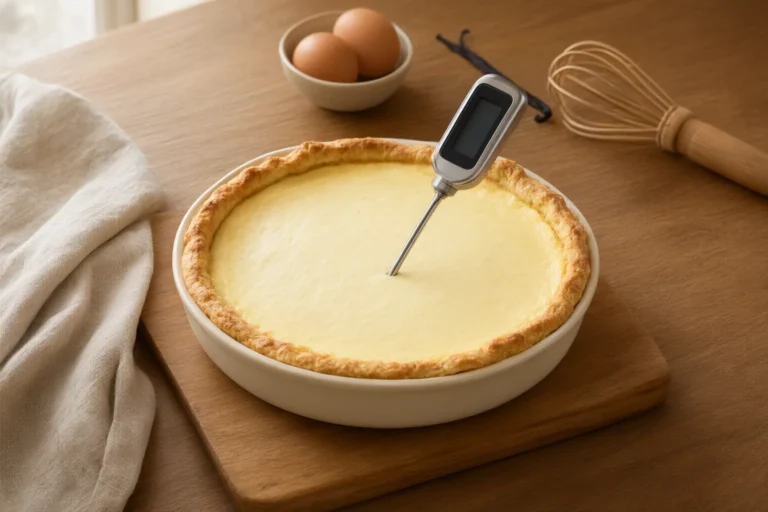
Can a Food Thermometer Confirm When a Custard Pie Is Safely Baked?
A food thermometer produces a reading, but that reading needs applicable guidance before it can confirm safe baking. Follow the exact custard-pie recipe or product label and consult…
Read more ↗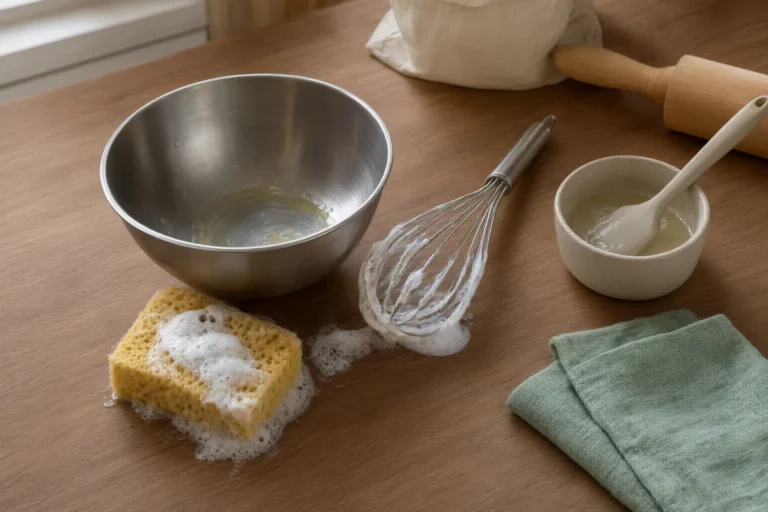
How to Clean Counters and Utensils After Contact With Raw Eggs
After raw egg contact, wash your hands and every affected utensil, piece of equipment, and work surface with hot, soapy water before continuing pie preparation.
Read more ↗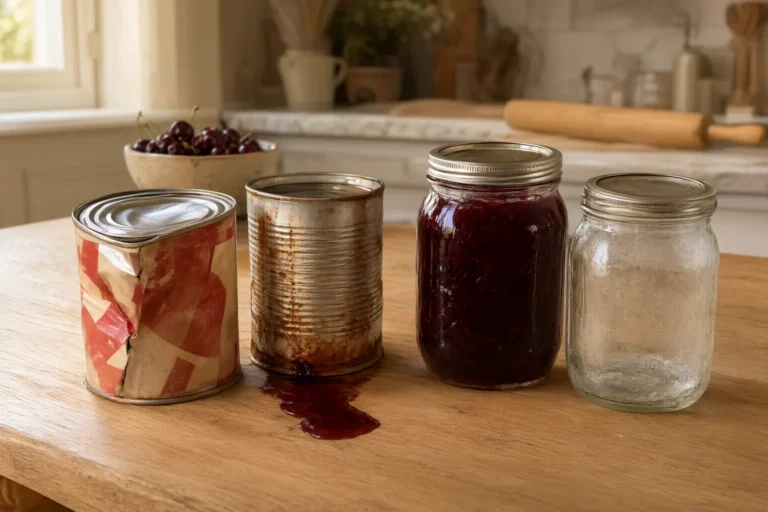
Dented, Swollen, Rusted, or Leaking Pie-Filling Cans: Commercial Cans vs. Home-Canned Jars
A dented, swollen, rusted, or leaking commercial can is not the same as an unsealed home-canned jar. This guide explains which instructions apply to failed home-canning seals and…
Read more ↗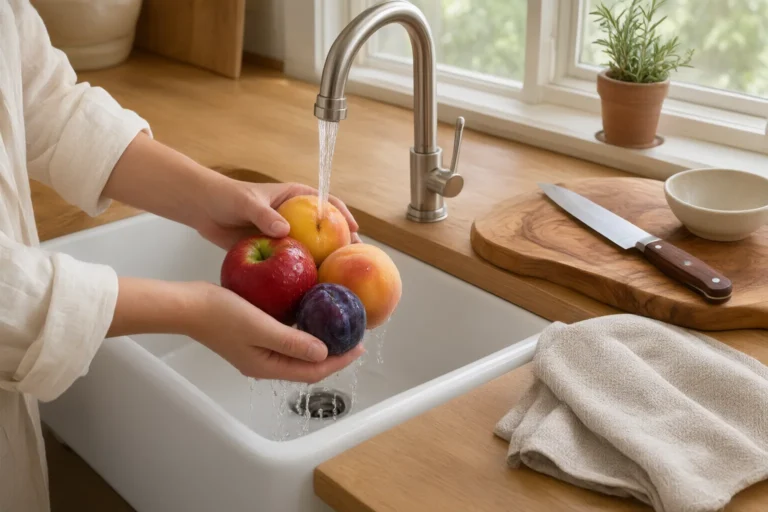
How to Wash Fresh Fruit Before Cutting It for Pie Filling
Wash fresh fruit under running water immediately before preparing pie filling, even if it will be peeled. Dry it with a clean towel, use clean hands and equipment,…
Read more ↗