
Before serving a stored pie, read its complete label and follow its storage and allergen directions. Do not rely on appearance or pie type to decide whether it is suitable for someone with a food allergy. The supplied evidence does not establish general storage limits or a sensory checklist for pie spoilage.
Check the Pie’s Label Before Serving
Start with the label on the actual pie. The available FDA guidance supports reading food labels, especially when food allergies are involved; it does not support guessing from the kind of pie, its packaging style, or its appearance. If the label cannot be checked, or if its directions cannot be followed, do not serve the pie until you can verify the relevant information.
This source set does not provide authoritative storage durations, temperature limits, or sensory signs specific to pie. Consequently, it cannot justify a universal rule based on how long a pie has been stored, nor can it establish that looking or smelling normal makes a pie safe. Follow the product’s own storage directions instead of substituting an unsupported general timetable. In ordinary language, something “to be discarded” is something gotten rid of as waste or because it is no longer useful, but that definition is not a food-safety test.
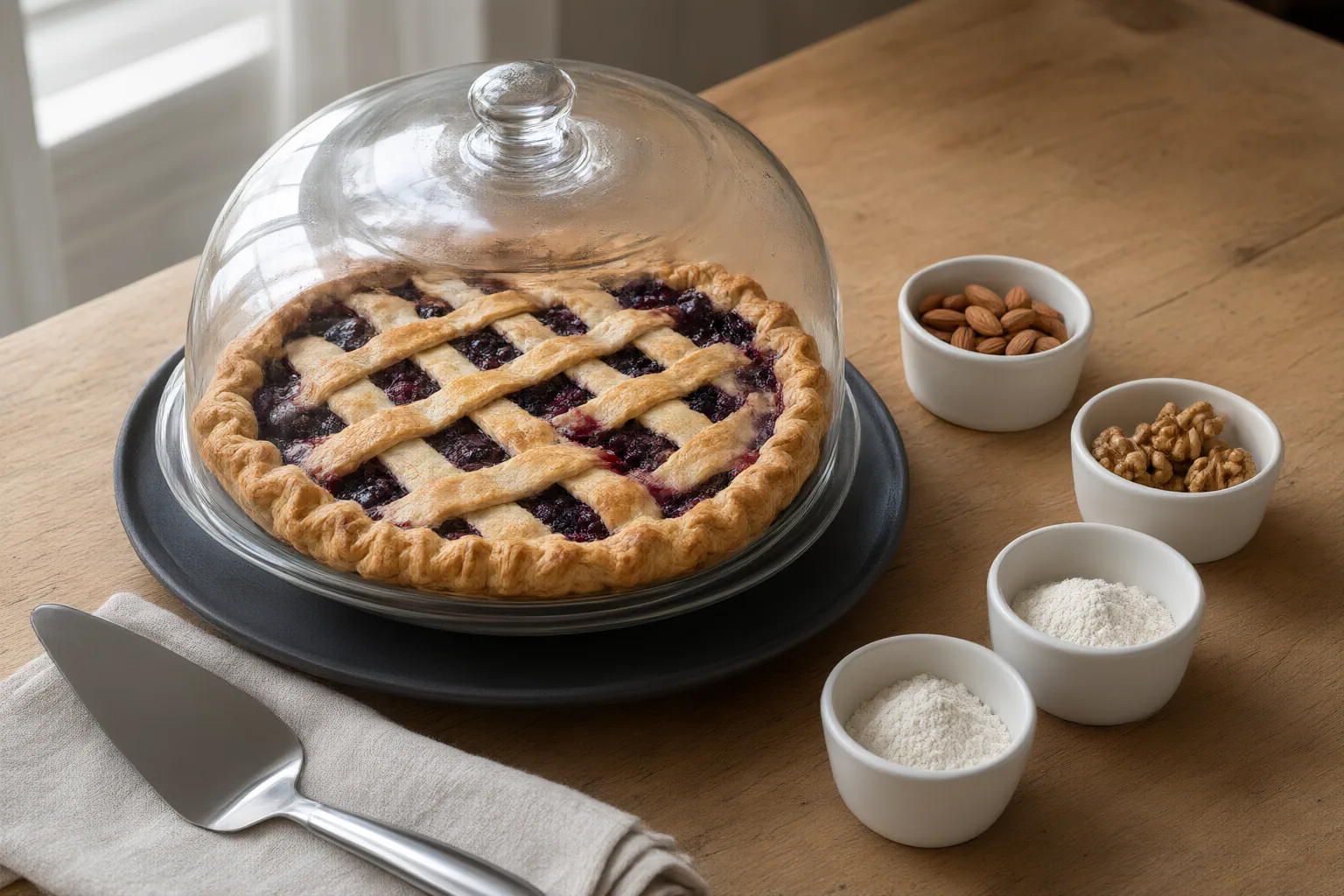
Treat Allergen Conflicts as a Clear Reason Not to Serve
For a diner with a food allergy, check the complete ingredient and allergen information before offering the pie. FDA guidance says people with food allergies should always read food labels and avoid foods to which they are allergic. A pie should not be served to a person who must avoid an allergen declared on its label.
The FDA recognizes nine major food allergens in the United States: milk, eggs, fish, crustacean shellfish, tree nuts, peanuts, wheat, soybeans, and sesame. This list does not show which allergens any particular pie contains. Only that pie’s label can supply product-specific information.
Do not infer allergen suitability from the filling, crust, flavor name, or visible ingredients. A familiar-looking fruit pie, for example, cannot be assumed suitable for a particular diner without checking its label. If the necessary label information is missing or unclear, set the pie aside rather than making an assumption. This is a reason not to serve it to the affected person, even when there is no visible quality problem.
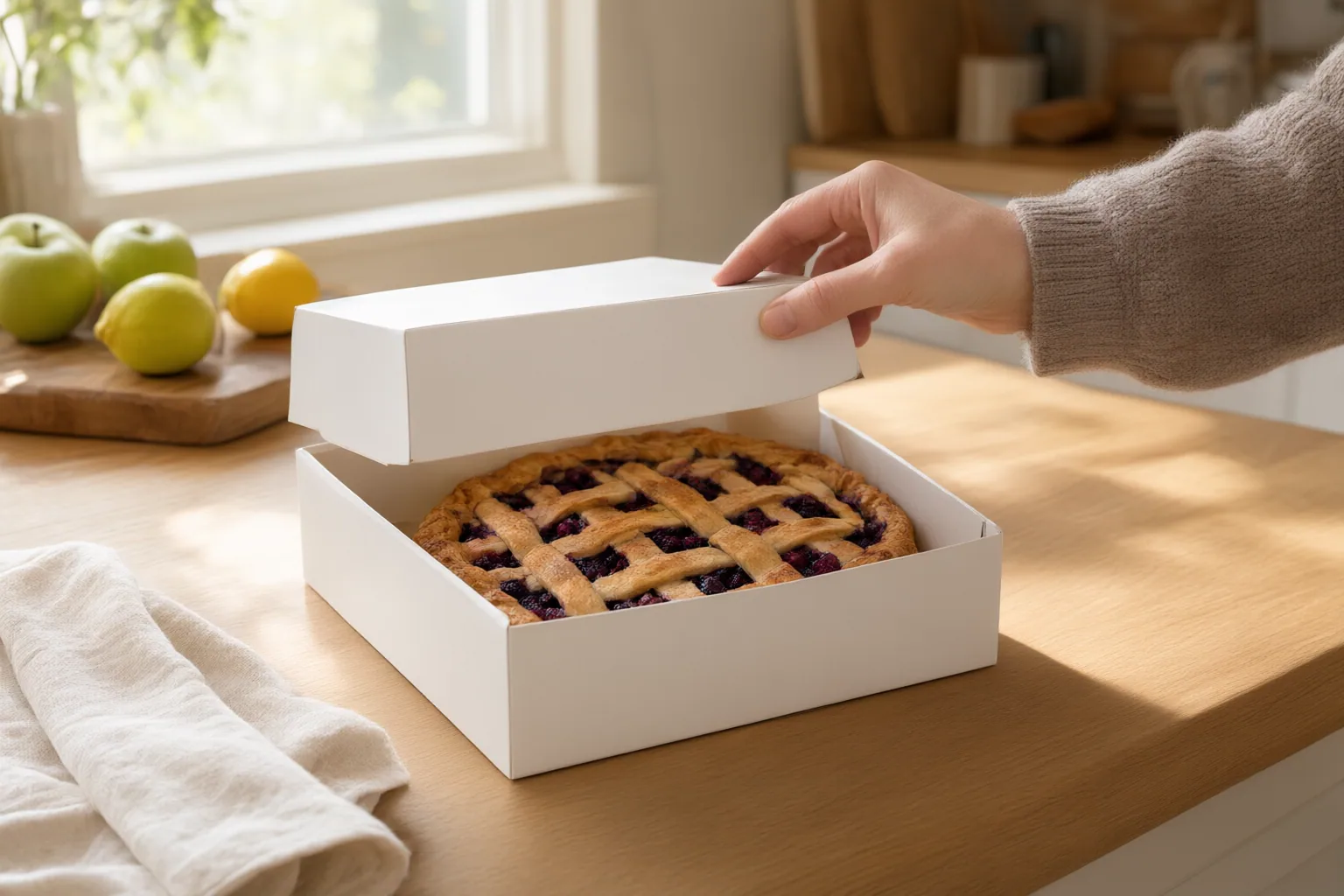
Know the Warning Signs After Someone Eats the Pie
A possible food-allergy reaction is different from a routine concern about food quality. According to the FDA, symptoms can begin within minutes or a few hours after eating. They may include hives, swelling, vomiting, diarrhea, coughing, wheezing, dizziness, difficulty breathing, or loss of consciousness.
These symptoms should not be used to judge whether the remaining pie merely looks acceptable. They concern the person who ate it and may signal a reaction that can become life-threatening. If possible allergy symptoms occur, respond promptly and obtain medical help rather than continuing to serve the pie or waiting for its appearance to change.
Preserve the packaging or label so its ingredient and allergen information remains available. The cited evidence does not establish that every symptom following a meal was caused by the pie, and it does not support diagnosing a reaction at home. It does support taking potential allergy symptoms seriously and avoiding the relevant food. Difficulty breathing or loss of consciousness is especially urgent.
Conclusion
The source-supported decision is straightforward: verify the actual label, follow its directions, and do not serve the pie to anyone who must avoid an allergen declared there. Appearance alone cannot establish allergen suitability, and the supplied sources do not provide a definitive spoilage checklist or universal pie-storage limit.
If someone develops possible food-allergy symptoms after eating, seek prompt medical help. Before serving any stored pie, pause and read its complete storage, ingredient, and allergen information.
Disclosures and limitations
- This article was prepared with AI assistance from the supplied FDA food-allergy guidance and a language reference. It does not replace product-label directions or medical advice.
- No products are recommended, and this article contains no disclosed affiliate offer or product-specific storage claim.
Related reading
Sources
- Food Allergies: What You Need to Know — U.S. Food and Drug Administration
- discarded — dictionary.cambridge.org
- Preventing Unsafe Injection Practices — Injection Safety
- to be discarded or to be disposed? — TextRanch