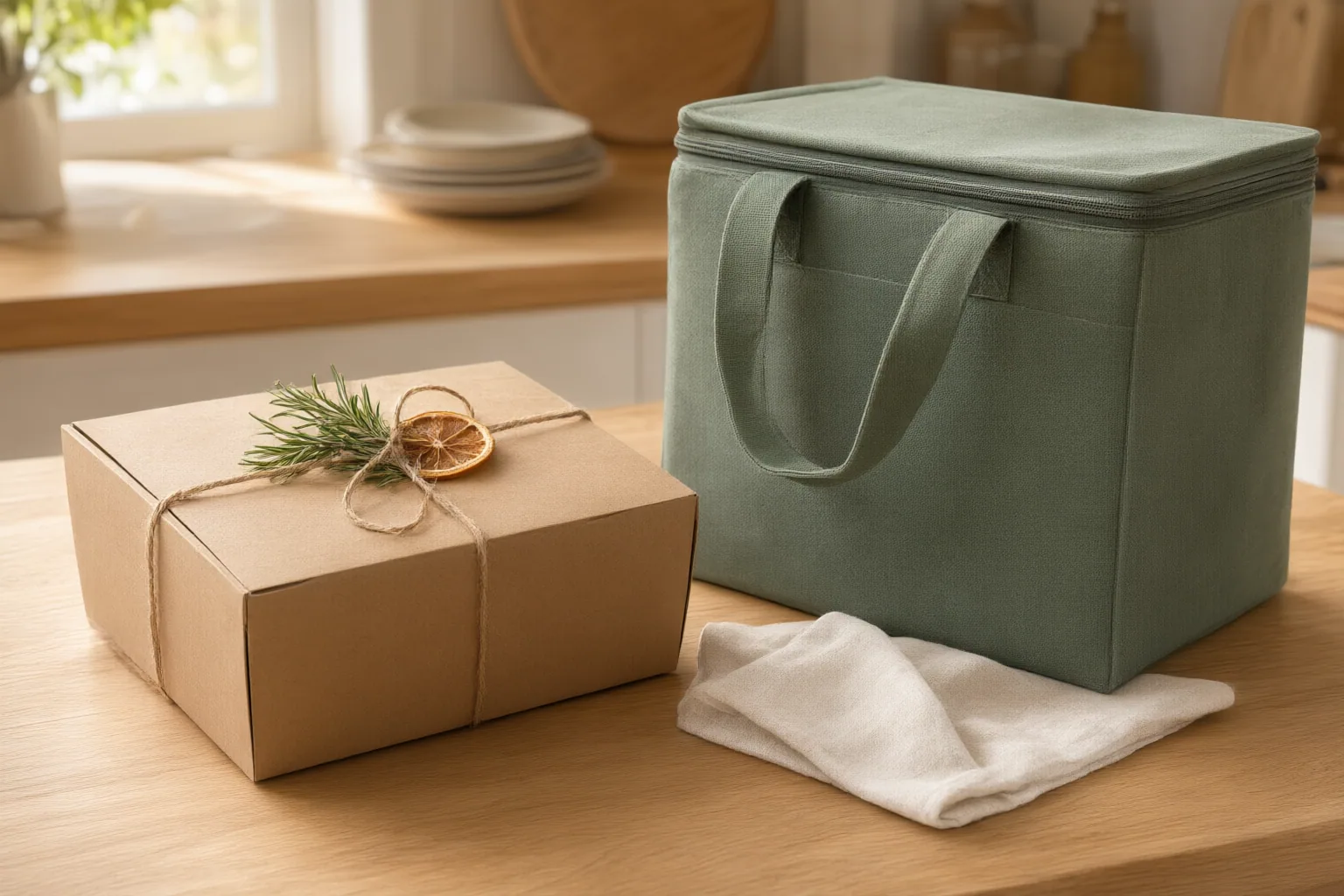
Start by confirming how much counter and refrigerator space the recipient can spare, then read the exact product label. Choose a manageable package, coordinate the handoff, and arrange suitable cold transport whenever the labeled storage directions require refrigeration.
Check Storage Needs Before Choosing the Gift
Ask the recipient where the gift could be kept and how much room is actually available. Check both counter capacity and usable refrigerator space before selecting a size or delivery date. Most importantly, determine from the exact product label whether the food requires refrigeration; the available sources provide general safety guidance, not pie-specific storage or shelf-life instructions.
The FDA recommends keeping refrigerators at or below 40°F (4°C) and leaving enough open space for cold air to circulate. A large package that tightly crowds an already full refrigerator may therefore be impractical. Also review the label for preparation, storage, and allergen information rather than assuming that one pie can be handled like another.
Match Gift Size, Packaging, and Timing to the Available Space
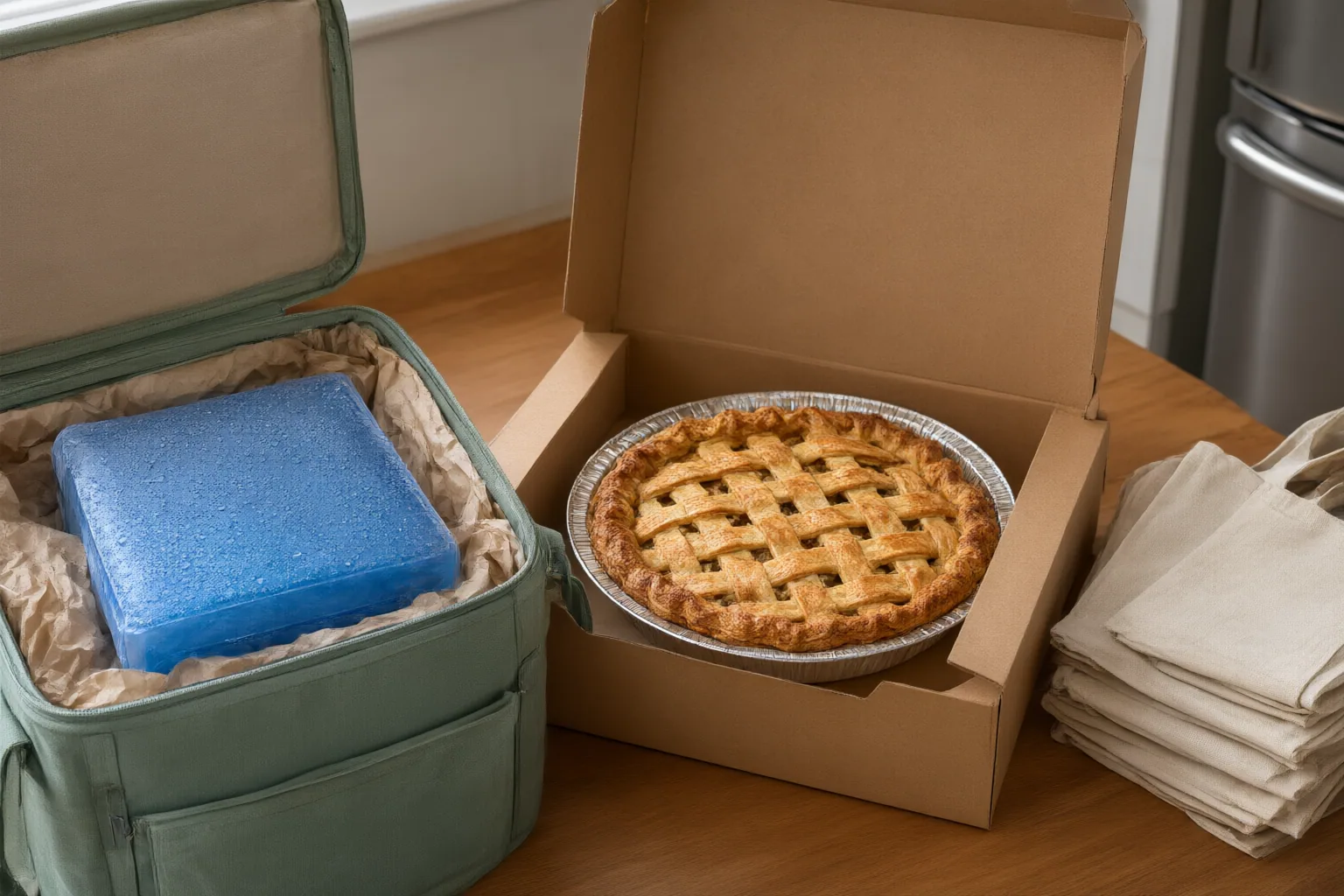
Favor a gift size the recipient can store without reorganizing an entire refrigerator or surrendering scarce counter space. Tight, closed packaging can be easier to place than a bulky presentation box, while also following the general guidance to keep refrigerated food covered or in sealed storage bags. Do not repackage the food in a way that loses its label or storage directions.
Coordinate delivery for a time when the recipient is present and able to put the gift away promptly. The FDA advises refrigerating or freezing perishables without delay. Foods requiring refrigeration should not remain at room temperature for more than two hours, or more than one hour when the air temperature is above 90°F. Those are general limits, not a pie-specific shelf life. A planned handoff reduces the chance that a temperature-sensitive gift will wait unattended or occupy an unsuitable temporary location.
Plan Transport Around the Label’s Storage Directions
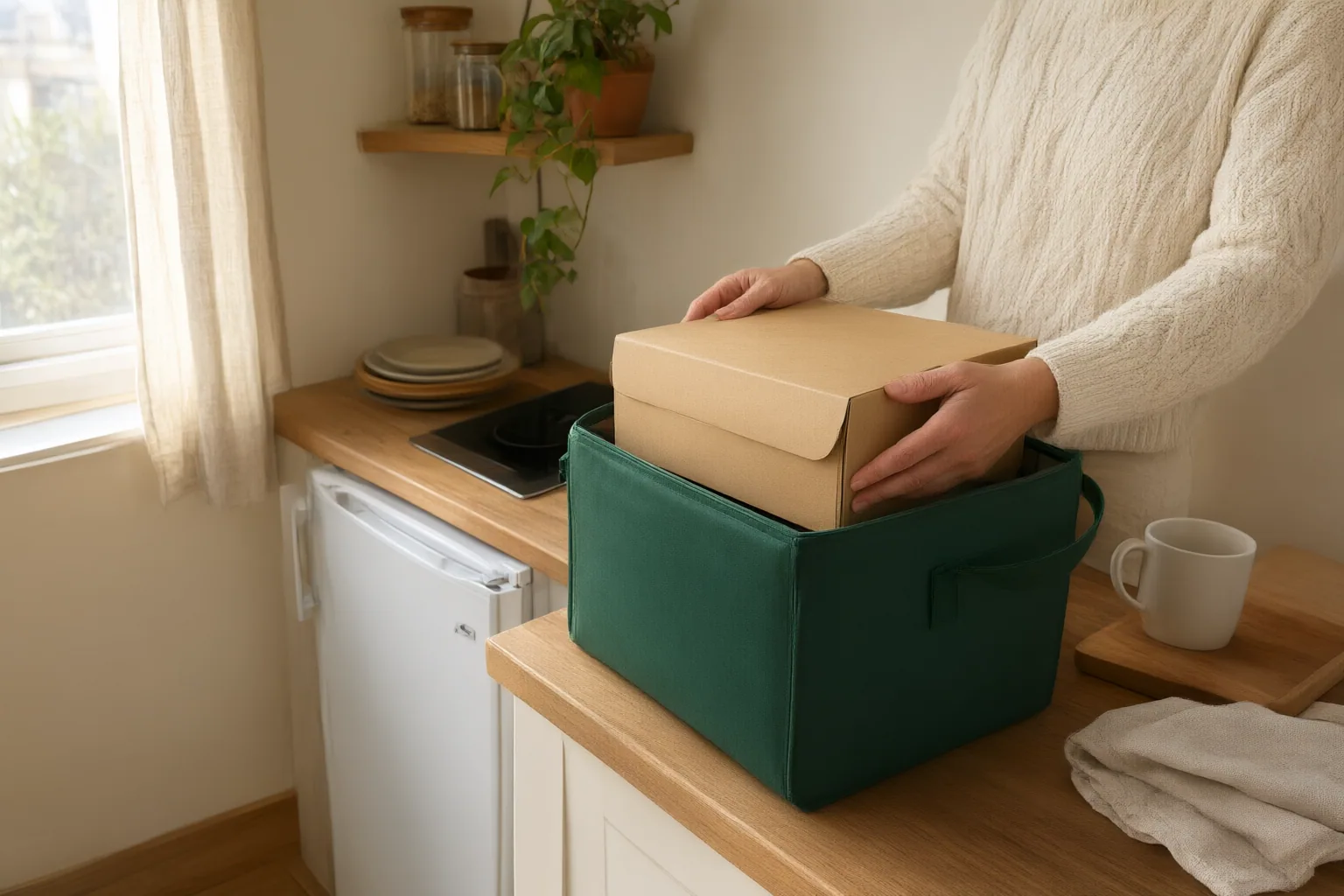
Let the product label determine whether the trip requires cold storage. When continuous chilling is required, plan the route and handoff in advance and use an insulated cooler with ice or another suitable method that maintains the labeled conditions. Pack the food in a tight, closed container or waterproof bag where appropriate, and avoid relying on refrigeration or ice that will not be available at the destination.
If dependable chilling cannot be maintained, consider choosing a different food whose label does not require refrigeration. The Forest Service recommends this general approach when ice cannot be replenished. On arrival, transfer food that requires chilling to suitable storage promptly. Leftovers should likewise be chilled or stored immediately, while any product-specific handling, preparation, and allergen requirements must come from the exact label.
Conclusion
A practical pie gift begins with the recipient’s space, not the package’s appearance. Confirm storage capacity, read the exact label, select a manageable size, keep packaging closed, and schedule a direct handoff. If refrigeration is required, arrange appropriate cold transport and prompt storage; if reliable chilling is unavailable, select a food labeled for storage without refrigeration. Before purchasing or delivering the gift, verify the recipient’s available space and the label’s storage, preparation, and allergen instructions.
Disclosures and limitations
- This article was prepared with AI assistance using the supplied FDA and U.S. Forest Service research. It offers general planning guidance; the exact product label controls storage, preparation, and allergen decisions.
- No affiliate products or sellers are recommended in this article.
Related reading
Sources
- Are You Storing Food Safely? — U.S. Food and Drug Administration
- Food | US Forest Service — US Forest Service