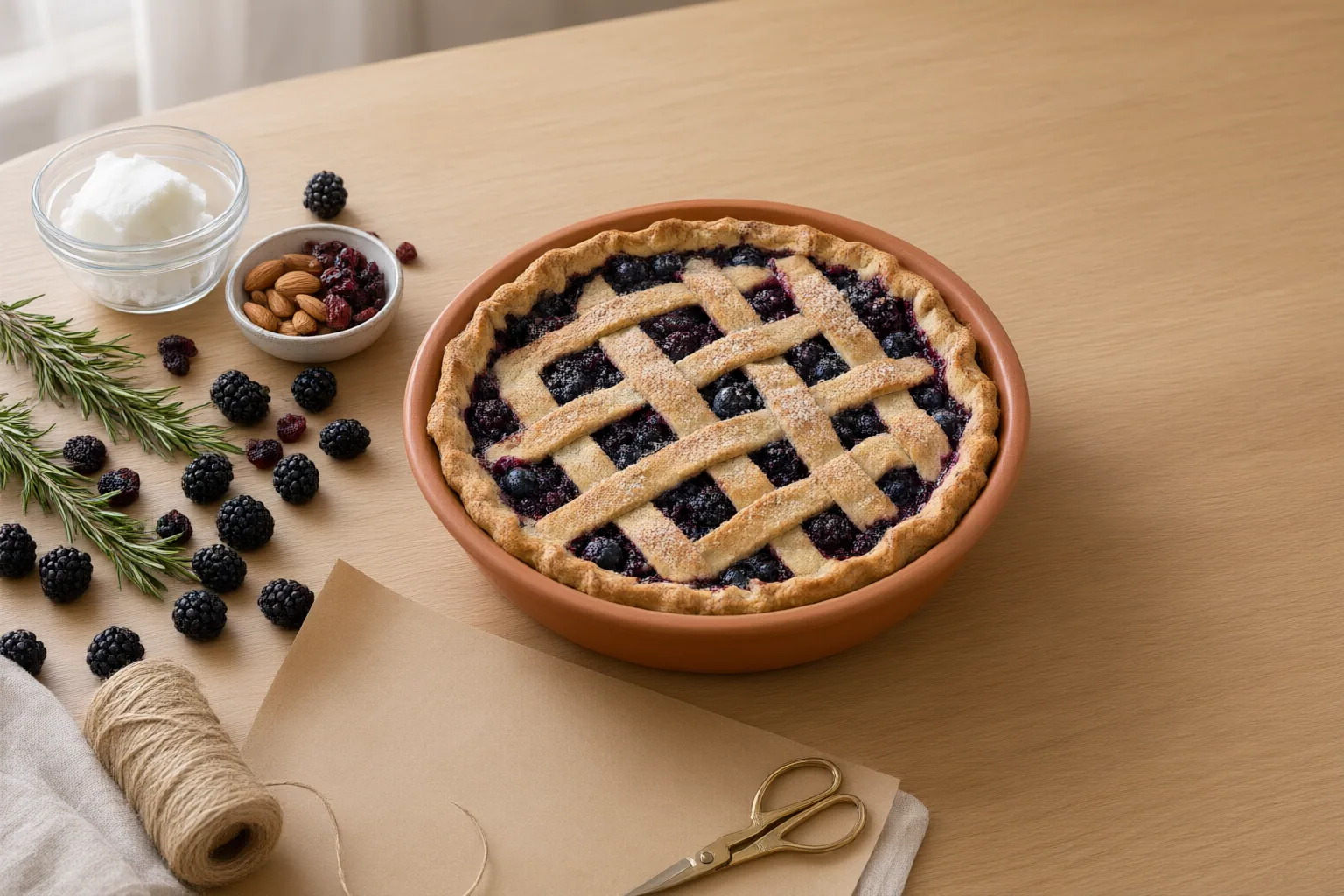
Check the pie’s complete ingredient list and milk-allergen declaration, but do not assume either one reveals its lactose content or whether it suits a particular recipient.
Start With the Recipient’s Reason for Avoiding Dairy
Before choosing a pie, ask whether the recipient is managing lactose intolerance, a milk allergy, or another personal dietary restriction. These concerns are not interchangeable. Lactose intolerance involves difficulty digesting lactose, the sugar in milk. A milk allergy is an immune response to milk proteins and can cause serious or life-threatening reactions.
This distinction changes how the label should be interpreted. Casein and whey are milk proteins, while lactose is milk sugar. Someone avoiding lactose may need information about the amount of lactose present, but a person with a milk allergy must identify milk-derived ingredients and follow their own allergy guidance. A gift buyer should not infer the recipient’s tolerance or decide that a pie is safe merely because a dairy ingredient appears to contain little lactose.
Where Dairy-Derived Ingredients Appear on a Pie Label
For a packaged pie, retain and review the complete current label rather than relying on a claim on the front of the package. Start with the full ingredient list, including ingredients shown within compound ingredients. Then look for a nearby “Contains: Milk” statement.
For foods regulated by the FDA, milk is a major food allergen. A milk-derived ingredient must identify its food source in the ingredient list, such as “whey (milk),” or milk must be named in a nearby “Contains” statement. This framework helps reveal the presence of milk, but it does not state how much lactose the food contains.
Share a clear copy of the entire label with the recipient. Keeping the full context visible is more useful than sending a partial ingredient list or offering a general assurance about suitability.
Milk-Derived Names and What They Do—and Do Not—Reveal About Lactose
Dairy-derived ingredients do not always include the word “milk” in their familiar name. Documented examples include buttermilk powder, whey protein concentrate, whey protein isolate, casein, sodium caseinate, lactalbumin, lactoglobulin, milk protein isolate, hydrolyzed milk protein, and lactose. Flag unfamiliar terms and use the allergen declaration to help connect them with milk.
The ingredient name alone may not answer a lactose-related question. Casein and whey are proteins rather than lactose, and identifying them as milk-derived does not establish their lactose content. Processing also matters: milk protein isolate is processed to reduce fat and lactose, whereas dairy permeate is described as high in lactose. These differences do not provide a universal rule for deciding whether a finished pie is suitable.
Likewise, “Contains: Milk” identifies an allergen source without specifying a lactose quantity. A voluntary “may contain milk” statement concerns possible allergen cross-contact; it also does not quantify lactose. If the exact label leaves a meaningful question unresolved, contact the manufacturer instead of estimating from the ingredient name.
Conclusion
Use a simple handoff checklist before giving the pie:
- Preserve the complete, current package label.
- Check both the ingredient list and any “Contains: Milk” statement.
- Flag every familiar or unfamiliar milk-derived term.
- Share the label and let the recipient make the suitability decision.
- Contact the manufacturer if the label does not clarify the recipient’s lactose-related concern.
The available evidence does not establish one lactose-tolerance threshold for everyone or determine whether any particular pie is appropriate. Do not convert an allergen declaration, a “may contain” warning, or a processed ingredient name into a promise of suitability. Before presenting the gift, send the recipient the complete label and resolve any remaining question with the manufacturer.
Disclosures and limitations
- This article was prepared with AI assistance from the supplied FDA and non-governmental research sources, then synthesized within their stated evidence limits.
- Mamie’s Pies is an independent editorial guide, does not sell these products, and makes no product recommendation or claim that a specific pie is suitable for a particular recipient.
Related reading
Sources
- Food Allergies: What You Need to Know — U.S. Food and Drug Administration
- Hidden Dairy: Names of Milk Ingredients You Don't Recognize | Allergy Clinic — allergyclinic.co.uk
- How to Read Ingredient Lists for Hidden Lactose — Dairyish
- Milking It: Dairy-Derived Ingredients — ift.org