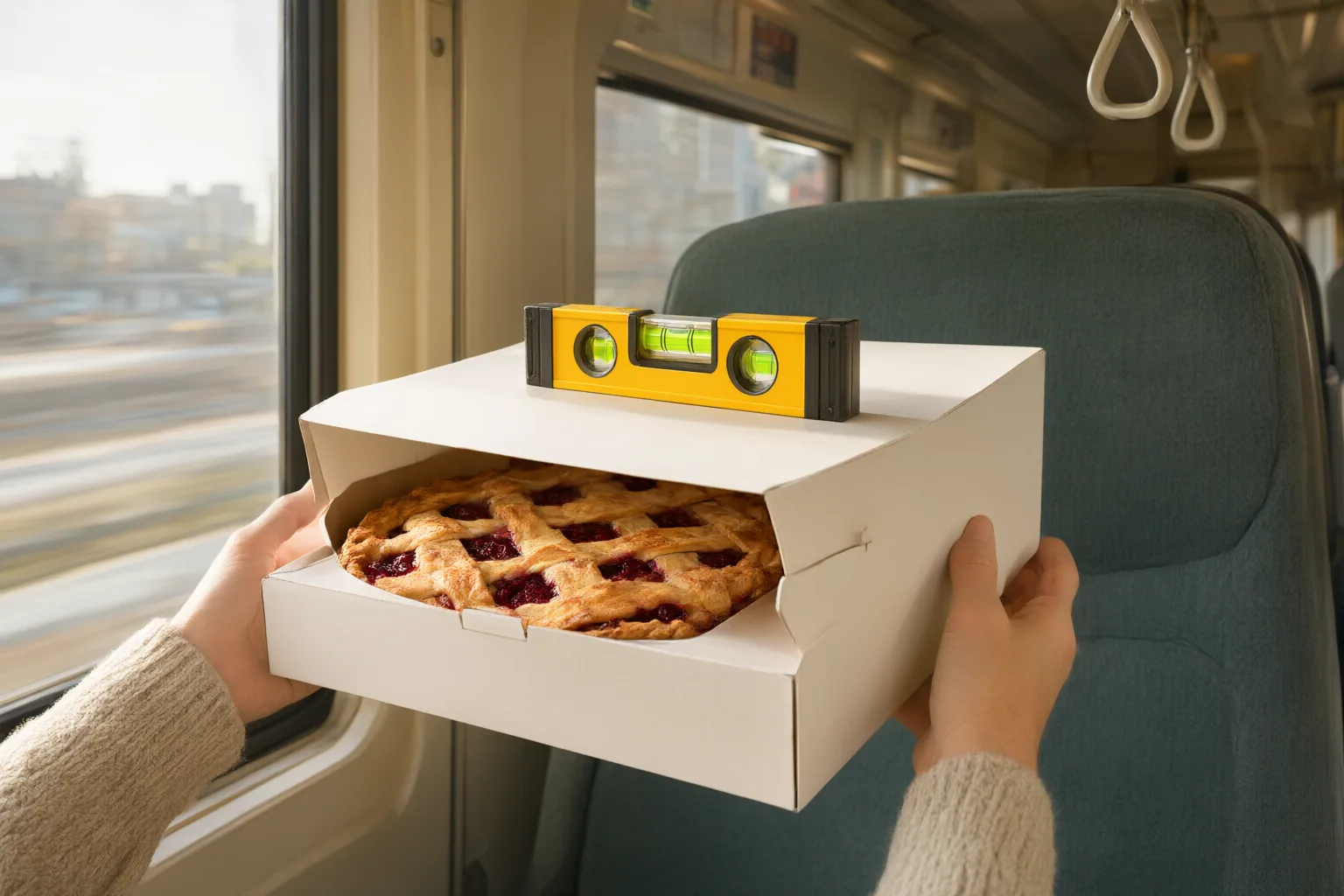
Plan around the actual vehicles and transfers on your route. Transit services differ substantially, so keeping a homemade pie level calls for a trip-specific plan that also follows every applicable recipe or product-label instruction.
Start with the Transit Route, Not a Universal Carrying Method
Public transit is not a single, uniform setting. One source discusses conventional public passenger transport by bus and coach, while another describes personal rapid transit as small automated vehicles traveling on dedicated guideways and generally carrying fewer than six passengers. Those formats can present different trip structures, passenger spaces, boarding processes and transfer patterns.
For that reason, begin by examining the particular journey rather than assuming that one carrying method fits every service. As an editorial planning judgment, note each vehicle type, transfer and point where the pie must move with you. This does not guarantee that the pie will remain level: the available transport sources do not establish a tested packaging, stabilization or carrying technique for homemade pies. They support recognizing differences among transit formats, not making food-handling promises.
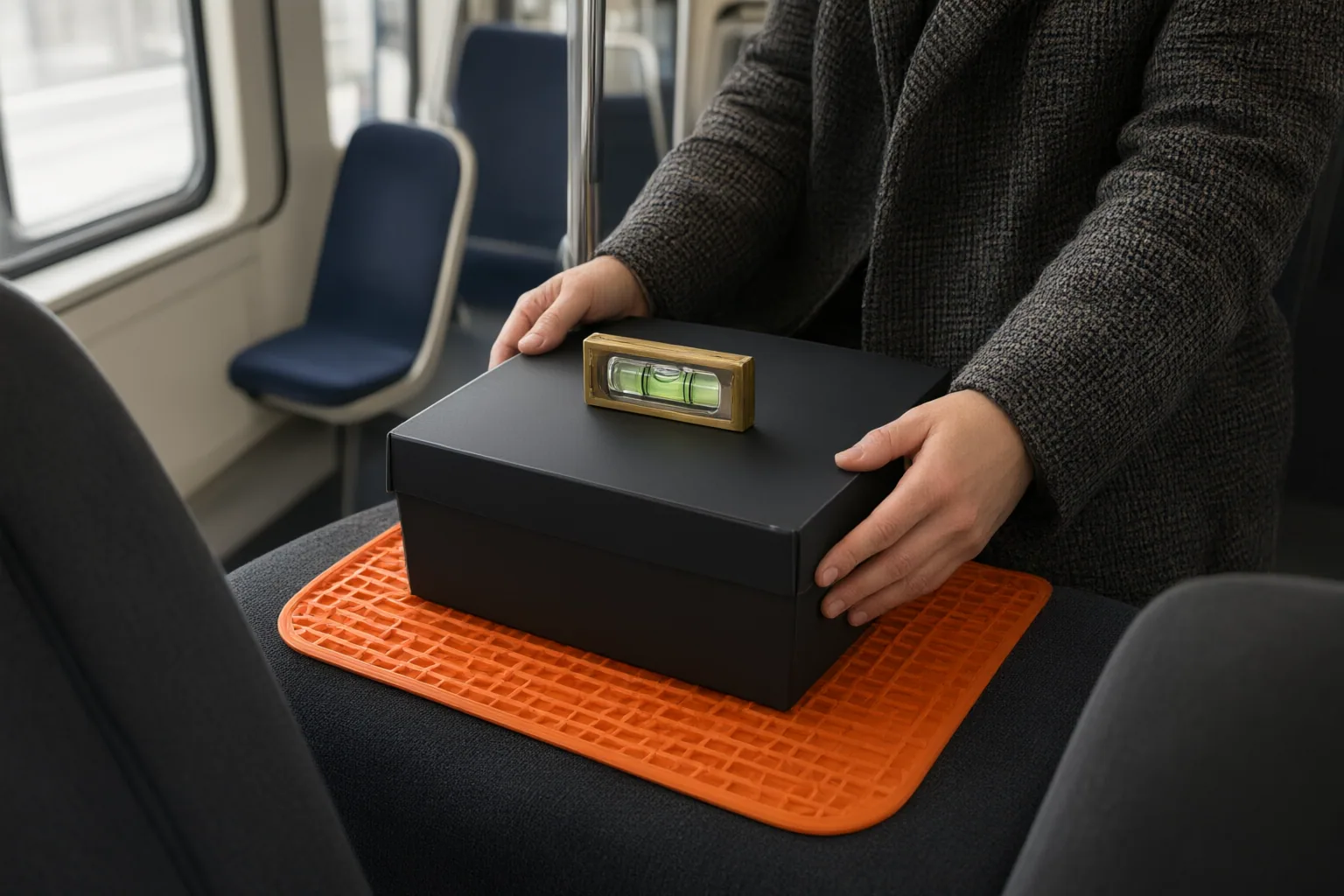
Identify the Vehicle Types and Transfers on the Trip
Write down the sequence of services before departure. A route might use a conventional bus or coach, whereas another system may use a small automated personal rapid transit vehicle on a dedicated guideway. The cited sources document those distinct formats, but they do not show how any particular pie container will perform aboard them.
Use the route sequence as a planning framework: identify where services change, count the transfers and distinguish the vehicle formats involved. Then consider whether the journey lets you comply with the pie’s own recipe or label requirements from departure through arrival. Choosing a route with fewer transitions is a cautious editorial judgment intended to simplify the trip, not a sourced guarantee against tilting, movement or damage. Do not substitute general transit planning for product-specific preparation, storage or allergen directions.
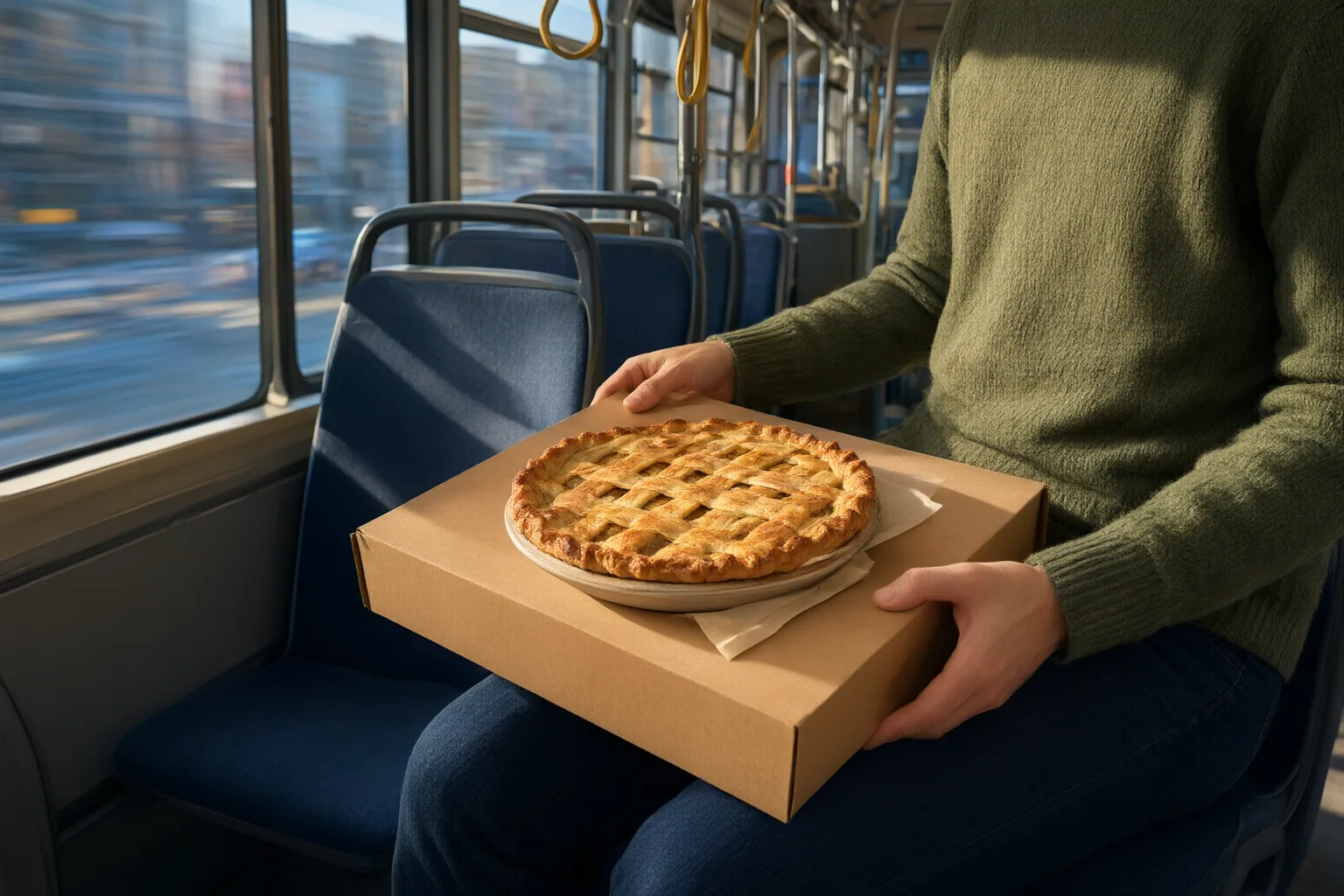
Two Questions to Resolve Before Departure
First, confirm whether the journey stays on one service or requires changes between vehicles. The documented contrast between bus or coach transport and small automated personal rapid transit vehicles shows why the service format matters when planning the trip.
Second, check which recipe or label instructions apply to the pie during the entire journey. The cited transit materials provide no food-specific rules for packaging, temperature, storage or stabilization. Accordingly, avoid turning a general route-planning judgment into a claim that a particular carrying approach is safe or guaranteed to keep the pie level. If the pie’s instructions cannot be followed on the planned journey, the supplied evidence does not support inventing an alternative handling rule.
Conclusion
A homemade pie carried on public transit should be planned around the route actually being used. Conventional bus and coach services and small automated personal rapid transit vehicles illustrate that public transport can involve materially different formats. The sources do not establish a universal pie-carrying method or guarantee that a pie will stay level.
Before leaving, review every vehicle and transfer on the route. Choose a trip plan that reduces transitions where practical and still permits you to follow all preparation, storage and handling requirements stated by the pie’s recipe or product label.
Disclosures and limitations
- This article was prepared with AI assistance from the two cited transport sources. Planning suggestions are editorial judgments; the sources do not provide pie-specific packaging, stabilization or food-safety guidance.
- No products are recommended and no affiliate relationship is presented. If commercial recommendations are added later, any affiliate relationship should be disclosed clearly.
Related reading
Sources
- Passenger transport — Mobility and Transport
- Personal rapid transit – Wikipedia — en.wikipedia.org